High Astigmatism Vision Correction in Korea V-Toric ICL Explained
High Astigmatism Vision Correction in Korea V-Toric ICL Explained
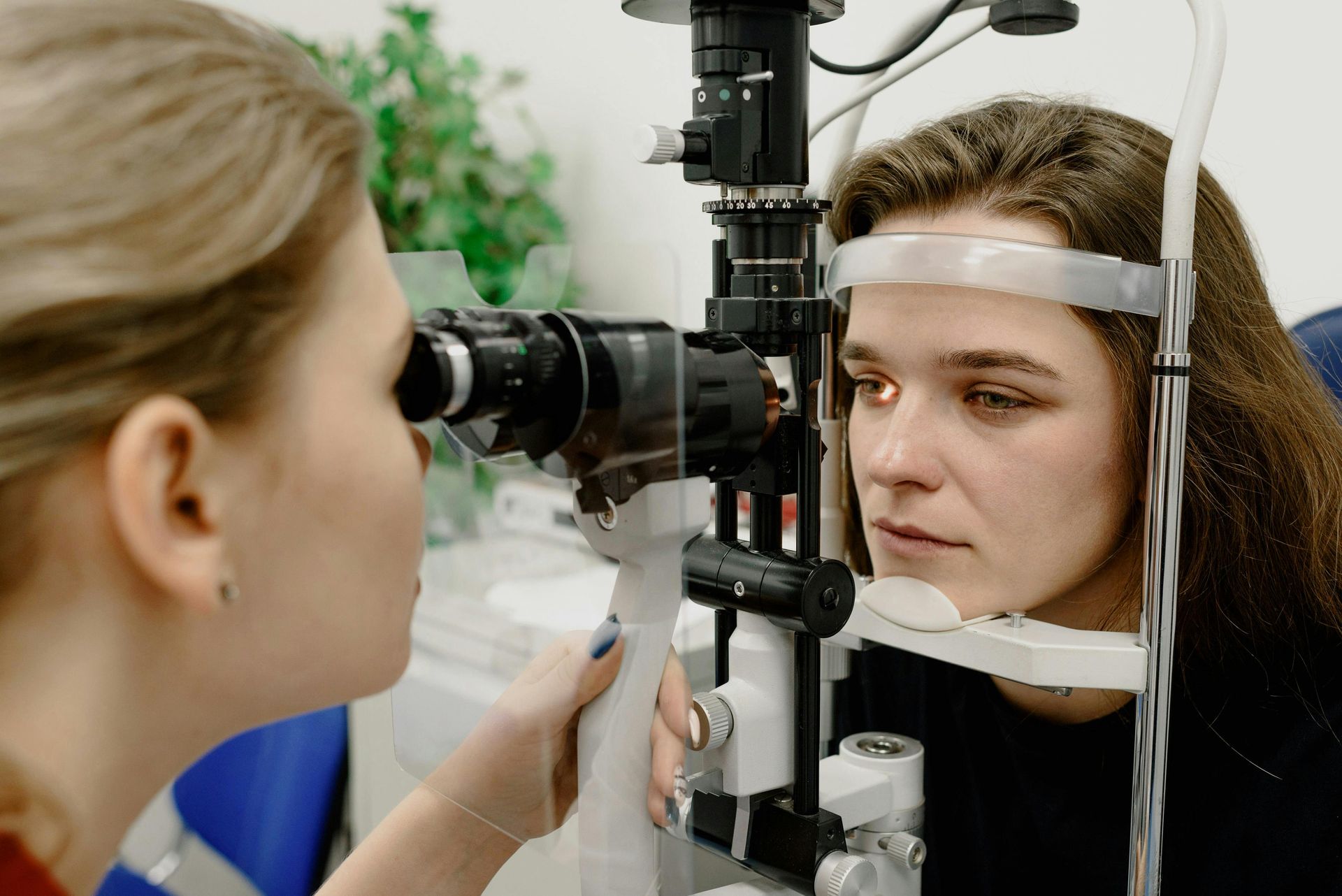
If you have high astigmatism, especially combined with moderate to high myopia, you may have been told that laser vision correction like LASIK or SMILE might not be ideal for you. In Korea — particularly in advanced ophthalmology centers in Seoul — one of the most effective solutions for strong cylindrical prescriptions is V-Toric ICL.
Here’s a complete explanation of how it works, who it’s for, and why many patients choose it.
What Is High Astigmatism?
Astigmatism occurs when the cornea or natural lens is shaped irregularly, causing light to focus unevenly on the retina.
With high astigmatism, patients often experience:
- Blurred or distorted vision
- Shadowing or ghosting
- Difficulty with night vision
- Strong dependence on corrective lenses
When astigmatism is high, corneal laser reshaping may require significant tissue removal — which is not always ideal for safety or stability.
What Is V-Toric ICL?
V-Toric ICL (Implantable Collamer Lens) is a customized lens implanted inside the eye to correct:
- Myopia (nearsightedness)
- Astigmatism (cylindrical error)
Instead of reshaping the cornea, the surgeon places a thin, flexible lens:
- Behind the iris
- In front of the natural lens
The toric design includes a specific axis alignment that neutralizes astigmatism directly.
Why V-Toric ICL Is Effective for High Astigmatism
1. Direct Astigmatism Correction
Toric lenses are precisely aligned to match your astigmatism axis. This can provide sharper and more predictable correction compared to heavy corneal reshaping.
2. No Corneal Tissue Removal
Since the cornea is not altered:
- Corneal strength remains intact
- Risk of post-laser structural weakening is avoided
- Thin corneas are not a limitation
3. Excellent Optical Quality
Many patients report:
- Crisp, high-definition vision
- Improved night clarity
- Strong contrast sensitivity
This is especially valuable for high prescriptions.
Who Is a Good Candidate?
V-Toric ICL may be ideal if you:
- Have high astigmatism
- Have moderate to very high myopia
- Have thin corneas
- Experience dry eye
- Were told you are not an ideal laser candidate
- Want a reversible solution
Suitability depends on detailed eye measurements, including anterior chamber depth and endothelial cell health.
How the Procedure Works
Step 1: Comprehensive Eye Exam
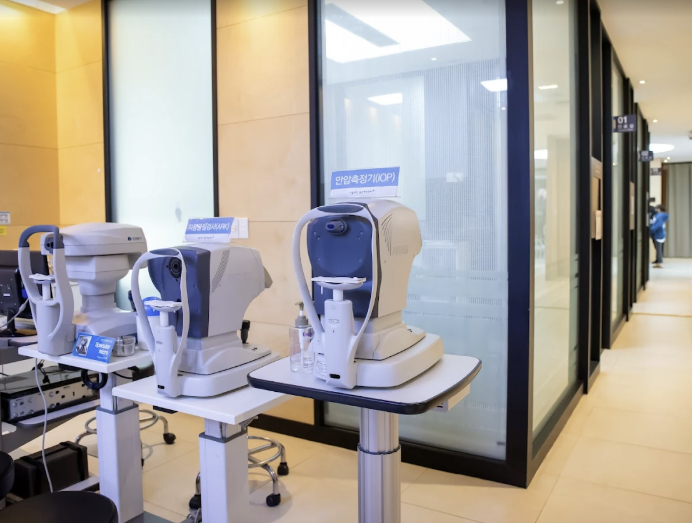
Advanced imaging is performed to:
- Measure corneal curvature
- Determine astigmatism axis
- Calculate exact lens size and power
Precision is critical for toric alignment.
Step 2: Surgery Day
- Numbing drops are applied
- A small incision is made
- The folded lens is inserted
- The lens is rotated to the correct axis
- No stitches are typically required
The procedure usually takes about 10–15 minutes per eye.
Recovery Timeline
Day 0
- Mild pressure sensation
- Light sensitivity possible
- Vision may already be clearer
Day 1
- Significant improvement
- Doctor checks lens alignment
- Most daily activities resume
Days 2–3
- Vision stabilizes quickly
- Minimal discomfort
Weeks 2–4
- Eye fully adapts
- Halos or glare (if present) improve
Compared to LASEK, recovery is typically faster and more comfortable.
Long-Term Stability
V-Toric ICL offers:
- Strong long-term refractive stability
- Minimal regression
- Preservation of corneal integrity
- Removability if needed in the future
Because the lens sits inside the eye rather than altering corneal tissue, structural stability is maintained.
Regular follow-up exams ensure lens position and eye pressure remain healthy.
V-Toric ICL vs Laser Surgery for High Astigmatism
Laser procedures can be excellent for mild to moderate astigmatism. However, for higher levels:
V-Toric ICL may offer:
- Greater precision
- Better optical clarity
- Less corneal stress
- More predictable outcomes
Your surgeon will recommend the safest option based on your measurements.
Cost Expectations in Korea
V-Toric ICL is considered a premium procedure because it includes:
- Customized lens manufacturing
- Intraocular surgery
- Advanced diagnostics
Pricing is typically higher than laser procedures but competitive compared to Western countries.
Many international patients travel to Korea for this reason — combining advanced technology with cost efficiency.
Why Patients Choose Korea for V-Toric ICL
- High surgical volume
- Modern diagnostic imaging
- Experienced refractive specialists
- Structured follow-up systems
- Efficient scheduling for medical tourists
Gangnam in particular is known for advanced refractive and implant-based vision correction.
Final Thoughts
If you have high astigmatism and were told laser surgery may not be ideal, V-Toric ICL can be an excellent alternative.
It offers:
- Strong correction for complex prescriptions
- Fast recovery
- Long-term stability
- Preserved corneal strength
- High-definition visual quality
The key to success is a detailed consultation and precise pre-operative measurements.