SMILE Pro vs ICL Surgery in Korea Which Is Better for You
SMILE Pro vs ICL Surgery in Korea Which Is Better for You
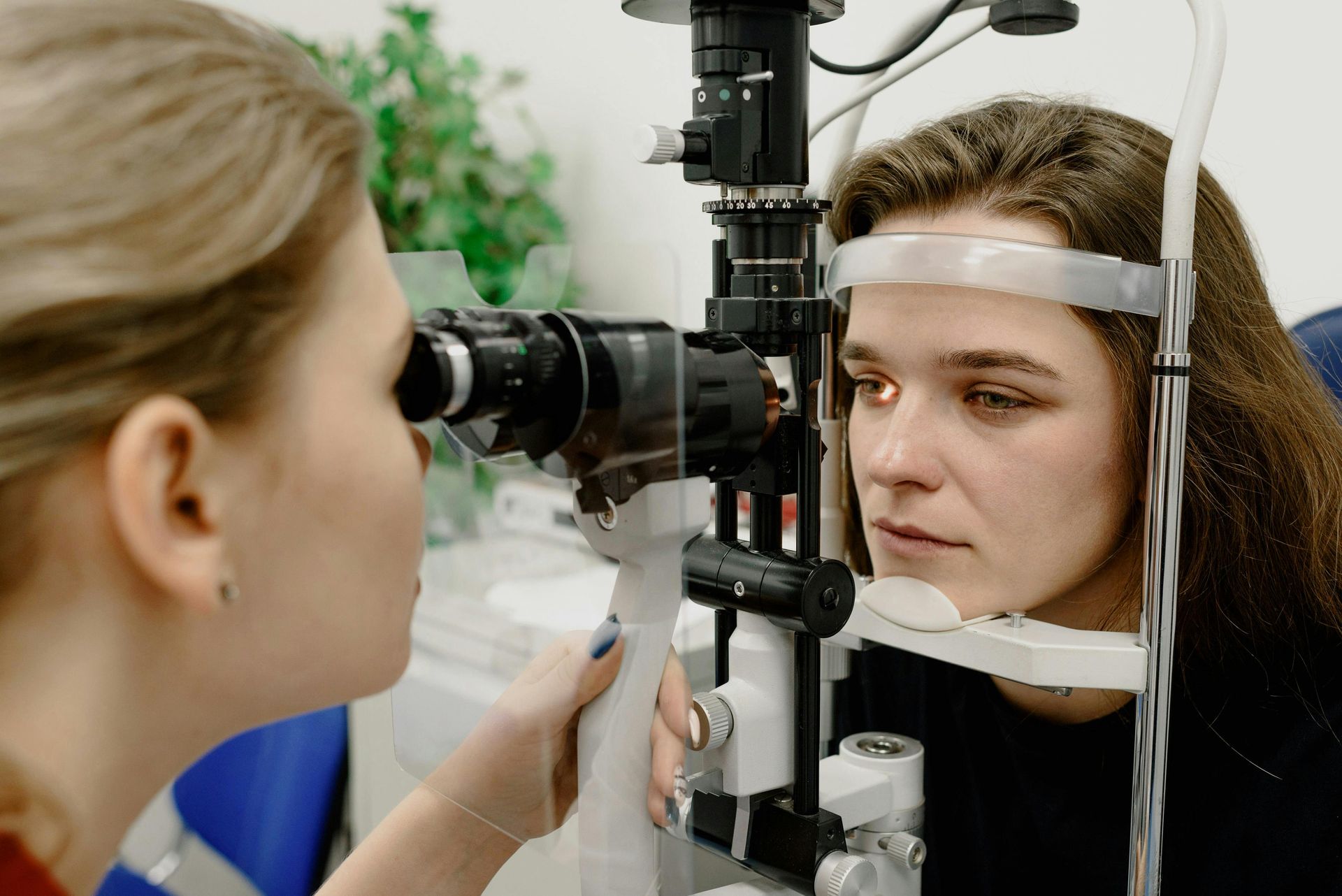
When it comes to advanced vision correction options, SMILE Pro and ICL (Implantable Collamer Lens) surgery are two of the most talked-about solutions — especially in Korea, where eye clinics use cutting-edge technology and experienced surgeons. But which one is right for your eyes?
This comprehensive guide breaks down both procedures in plain language so you can make a confident choice.
Overview: SMILE Pro and ICL Surgery
SMILE Pro
- What it is: A minimally invasive laser vision correction that removes a tiny lenticule from the cornea through a small incision (about 2–4 mm) to reshape it.
- Best for: Myopia and astigmatism up to moderate-high range.
- Type: Corneal refractive surgery (no implant).
ICL Surgery
- What it is: A biocompatible lens (collamer) is implanted inside the eye, between the iris and natural lens, to correct refractive errors.
- Best for: High myopia, thin corneas, or when laser surgery is not ideal.
- Type: Intraocular lens implant (removable).
Key Differences At a Glance
FeatureSMILE ProICL SurgeryProcedure TypeCorneal laserIntraocular lens implantCornea ReshapedYesNoImplantNoYesReversible?NoYes (lens can be removed)Ideal for High MyopiaUp to certain limitsExcellentDry Eye RiskLower than LASIKMinimalReturn to Daily LifeWithin 1–2 daysWithin a few daysLong-term StabilityExcellentExcellent
Who Should Choose SMILE Pro?
Best Candidates
SMILE Pro is typically a great choice if you:
✔ Have
myopia or astigmatism within corrective range
✔ Are healthy overall with
normal corneal thickness
✔ Prefer a
flap-free, minimally invasive procedure
✔ Want
fast visual recovery
Benefits of SMILE Pro
- Minimal incisions — less disruption to corneal nerves
- Lower dry eye risk compared to LASIK
- Quick recovery — many patients see clearly within 1–2 days
- Stable long-term results
Limitations
- Not suitable for very high prescriptions
- Not reversible
- Corneal thickness and shape must be within range
Who Should Choose ICL Surgery?
Best Candidates
ICL is especially recommended if you:
✔ Have
high myopia or high astigmatism
✔ Have
thin corneas not ideal for corneal laser surgery
✔ Suffer from
dry eyes that worsen after laser surgery
✔ Want a
reversible option
Benefits of ICL
- Reversible and exchangeable lens
- Preserves corneal structure
- Excellent for very high prescriptions
- High definition vision outcomes
- Minimal increase in dry eye symptoms
Limitations
- Slightly higher cost compared to SMILE
- Involves placing an implant inside the eye (intraocular)
- Requires careful long-term monitoring
Cost: SMILE Pro vs ICL in Korea
While prices vary by clinic, technology, and prescription level, here’s a general idea:
SMILE Pro (per eye)
- Approx. ₩2,500,000 – ₩4,500,000 KRW
- Lower overall cost compared to ICL
- Often includes pre-op diagnostics and follow-ups
ICL Surgery (per eye)
- Approx. ₩3,500,000 – ₩7,000,000+ KRW
- Higher due to lens cost and surgical complexity
- Excellent value for high myopia or ineligible laser candidates
Ultimately, SMILE Pro is usually more affordable while ICL costs more but offers benefits for eyes that are not ideal for laser correction.
Safety and Long-Term Vision
Both SMILE Pro and ICL surgery are well-established, safe, and effective when performed by skilled surgeons. Here’s what patients can expect:
SMILE Pro
- High safety record with modern femtosecond laser technology
- Lower risk of flap and dry eye complications
- Permanent correction (non-reversible)
ICL Surgery
- Excellent long-term visual outcomes
- Slight risk of cystoid macular edema and cataract in rare cases
- Risk of implant-related issues is low with proper follow-up
Clinics in Seoul follow strict safety standards and advanced imaging to screen candidates precisely before recommending a procedure.
Recovery: What to Expect
SMILE Pro
- Day of surgery: mild discomfort possible
- 1–2 days: most patients return to daily activities
- 2–4 weeks: vision stabilizes fully
ICL Surgery
- Day of surgery: vision often improves within hours
- 2–3 days: comfortable daily function
- Few weeks: full adaptation to lenses
Both procedures allow relatively fast recovery — particularly compared to older surface ablation methods.
Which Is Better for You?
The “better” choice depends on your eyes — not trends. Here’s a general rule:
Choose SMILE Pro if:
✔ You have moderate myopia/astigmatism
✔ Your cornea is thick and regular
✔ You want minimal invasiveness and rapid recovery
Choose ICL Surgery if:
✔ You have
high myopia beyond laser limits
✔ You have
thin corneas or dry eye issues
✔ Reversibility is important
Final Thoughts
Both SMILE Pro and ICL surgery offer excellent vision correction outcomes in Korea’s advanced ophthalmic clinics. Seoul’s medical environment combines:
- Cutting-edge technology
- Highly trained surgeons
- Patient-focused care
- Efficient scheduling for international visitors
A personalized eye exam is essential — it’s the only way to determine your candidacy and tailor the best treatment plan.
Whether you choose SMILE Pro or ICL, you’re investing in crystal-clear vision and improved quality of life.