High Prescription Vision Correction in Korea SMILE Pro or ICL
High Prescription Vision Correction in Korea SMILE Pro or ICL
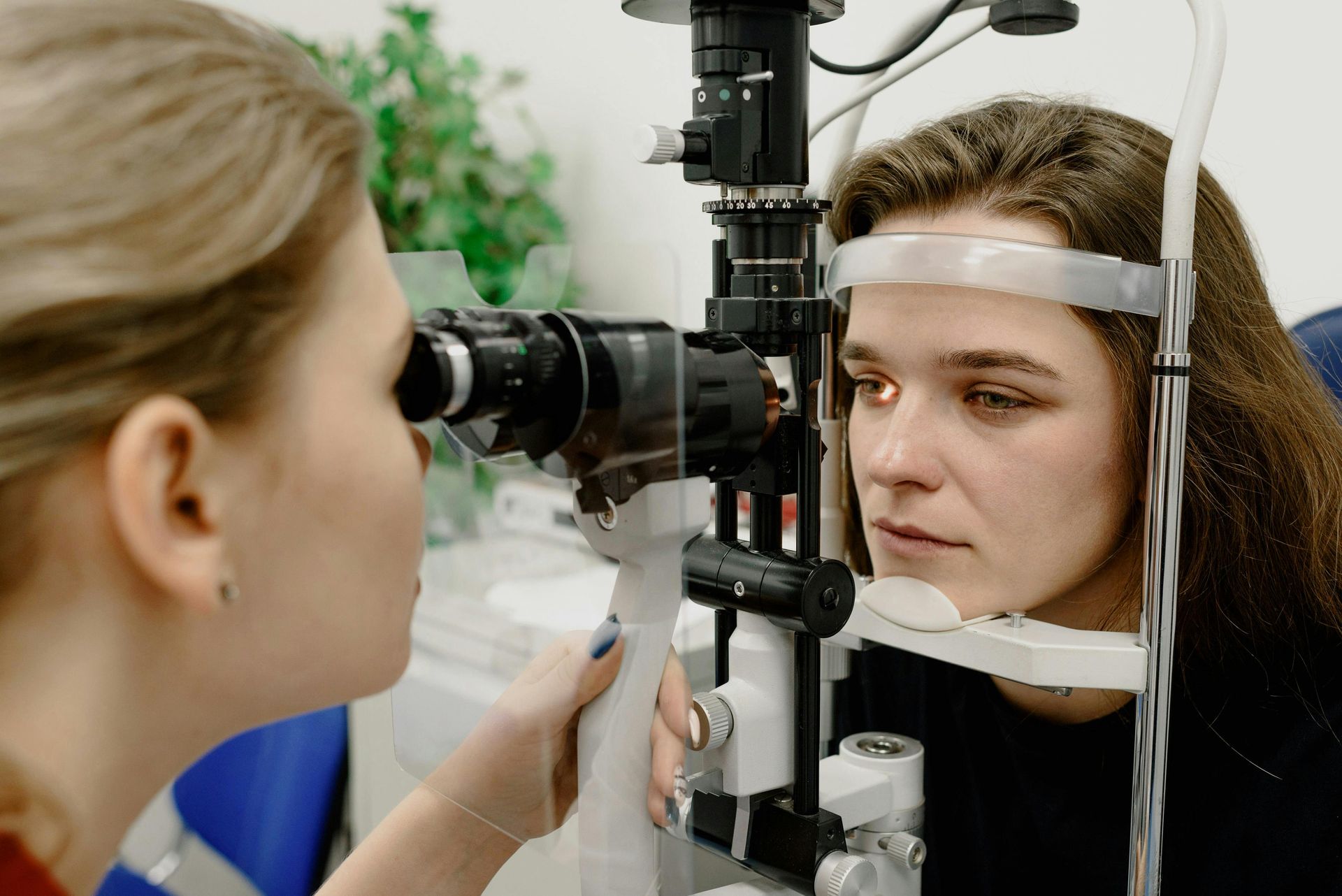
If you have high myopia (severe nearsightedness) or a strong prescription that hasn’t been fully corrected with glasses or contacts, you may be considering surgical options. In Korea — especially in advanced ophthalmology hubs like Gangnam in Seoul — two leading procedures are often recommended for high prescriptions:
- SMILE Pro (a minimally invasive laser procedure)
- ICL (Implantable Collamer Lens)
Both procedures are popular, safe, and highly effective — but they are not identical. Choosing the best one depends on your eye anatomy, prescription level, lifestyle, and recovery priorities.
This guide breaks down the key differences so you can make an informed decision.
What Makes High Prescriptions Challenging?
When your prescription is high (e.g., −6.00 D or above), traditional laser vision correction becomes more complex because:
- More corneal tissue must be reshaped
- The risk of dry eyes increases
- Corneal thickness may limit suitability
- Visual quality outcomes may vary with laser alone
For these reasons, many clinics tailor recommendations rather than offering one standard procedure for everyone.
SMILE Pro: What You Should Know
How It Works
SMILE Pro is a flap-free laser surgery. A femtosecond laser creates a small lenticule (a lens-shaped piece of tissue) within the cornea, which is then removed through a tiny incision to change the corneal shape and correct vision.
Benefits
✔ Less invasive than traditional LASIK
✔ No large corneal flap
✔ Lower risk of dry eye compared to LASIK
✔ Quick visual recovery (often within 1–2 days)
✔ High patient satisfaction
Best for
- Moderate to moderately high myopia
- Patients with adequate corneal thickness
- People who want minimal postoperative discomfort
Limitations for High Prescriptions
While SMILE Pro has expanded the range of treatable prescriptions, very high myopia (e.g., −10.00 D or more) may exceed safe corneal reshaping limits. In such cases, removing too much tissue can compromise corneal stability.
ICL (Implantable Collamer Lens): What You Should Know
How It Works
ICL involves placing a thin, biocompatible lens inside the eye — between the iris and natural lens — without removing corneal tissue. It functions like a permanent contact lens.
Benefits
✔ Excellent for high myopia (even very high prescriptions)
✔ Cornea remains untouched
✔ Visual quality tends to be excellent
✔ Lower risk of dry eye
✔ Reversible — the lens can be removed or exchanged
Best for
- High myopia beyond laser limits
- Thin corneas
- Patients with significant dry eye
- Those seeking high visual quality with minimal tissue removal
Considerations
ICL is an intraocular procedure, meaning it involves placing the lens inside the eye, which requires careful intraocular planning and monitoring. Recovery is quick, and vision often improves dramatically within 24–48 hours.
Side-by-Side Comparison
Suitability for High Myopia
- SMILE Pro: Good up to moderately high levels
- ICL: Excellent for high and very high prescriptions
Corneal Tissue Preservation
- SMILE Pro: Removes tissue
- ICL: Preserves cornea
Dry Eye Risk
- SMILE Pro: Lower than LASIK, but still possible
- ICL: Generally minimal
Reversibility
- SMILE Pro: Permanent
- ICL: Reversible (lens can be removed or exchanged)
Recovery
- SMILE Pro: Fast (1–2 days)
- ICL: Fast (24–48 hours)
Long-Term Stability
Strong outcomes with both, but ICL can be especially stable for very high prescriptions.
Which Is Better for You?
Here’s a simple rule of thumb:
Choose SMILE Pro if:
- Your prescription is in the moderate to moderately high range
- You have sufficient corneal thickness
- You want a flap-free laser option
- You prefer minimal invasiveness
Choose ICL if:
- Your prescription is very high
- Your corneas are thin
- You have dry eye or tear issues
- You want the option to reverse or exchange the lens later
In clinical practice, many patients with very high prescriptions or borderline candidacy for laser surgery are steered toward ICL because the cornea is not altered, reducing long-term structural concerns.
Cost Considerations (General Guidance)
(Actual prices vary by clinic and package details)
SMILE Pro
- Mid-to-high range laser surgery
- Often more affordable than premium ICL
ICL
- Higher cost due to lens implant
- Premium IOL choice can increase total
Even with travel expenses, many international patients find both options competitive compared to Western clinics — especially when factoring recovery speed and comprehensive follow-up care.
Recovery and Aftercare
SMILE Pro Recovery
- Vision often improves within 24–48 hours
- Mild dryness or fluctuation possible
- Most normal activities resume quickly
ICL Recovery
- Vision improves rapidly (often within a day)
- Minimal discomfort
- Follow-up monitoring for eye pressure and lens position
Both procedures require aftercare eye drops and scheduled exams, but the overall disruption to daily life is minimal in most cases.
Final Thought
There isn’t a single “best” choice for everyone — but there is the best choice for your eyes.
- SMILE Pro excels for moderate to moderately high prescriptions with a minimally invasive laser approach.
- ICL is often the preferred solution for very high prescriptions, thin corneas, or when corneal tissue preservation is important.
The most accurate way to decide is through a detailed pre-operative consultation with an experienced refractive surgeon in Korea. They’ll assess your corneal thickness, prescription range, tear film quality, and eye anatomy before recommending the best option.