Gangnam Eye Clinic Guide for International Medical Tourists
Gangnam Eye Clinic Guide for International Medical Tourists
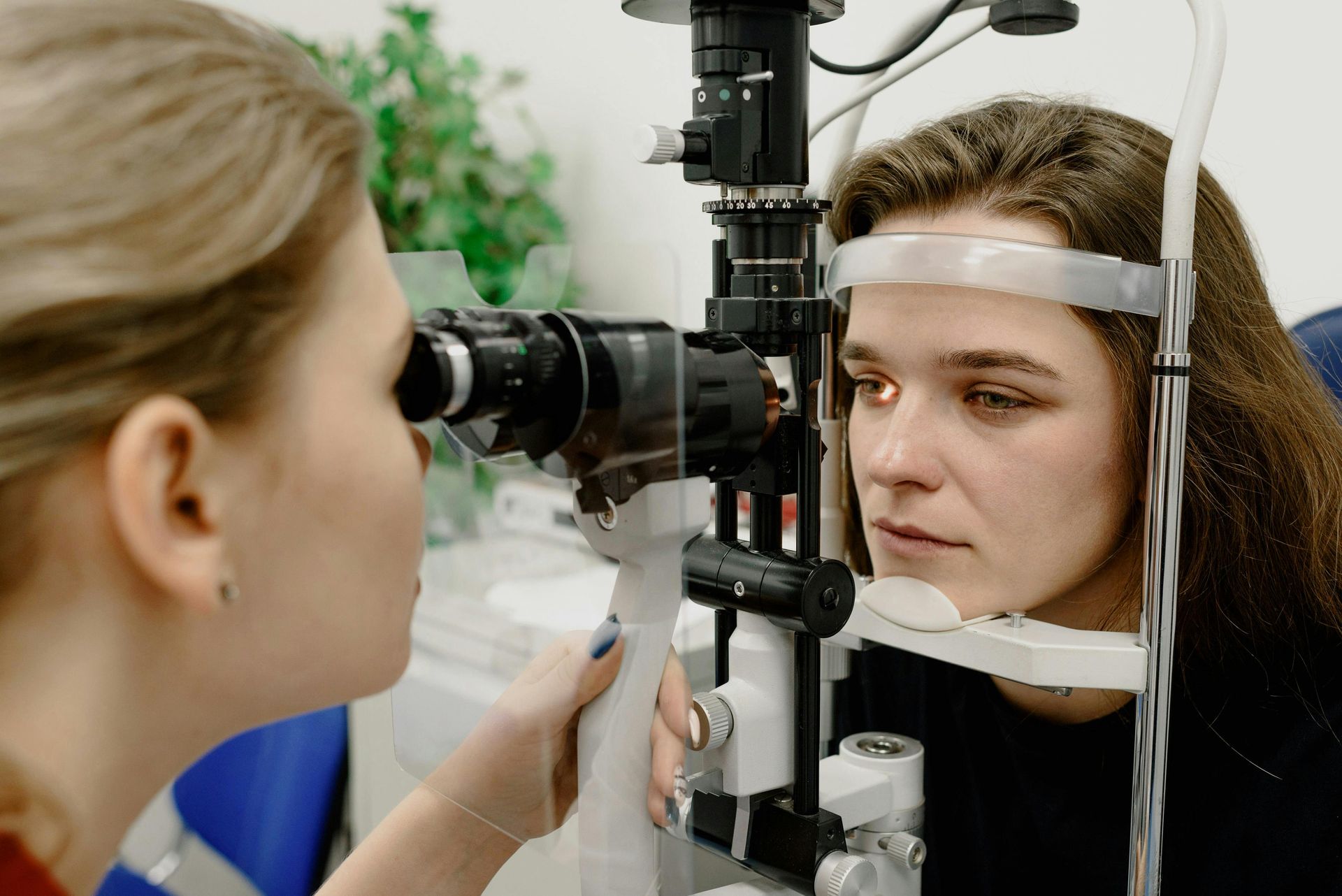
Gangnam — a thriving district in Seoul, Korea — is one of Asia’s premier destinations for advanced eye care, including vision correction and cataract surgery. Every year, thousands of medical tourists from around the world come to Gangnam for high-quality ophthalmology treatment, efficient scheduling, and competitive pricing.
This guide is designed to help you navigate the entire process, from choosing the right clinic to planning your travel and recovery.
Why Choose Gangnam for Eye Surgery?
1. World-Class Technology
Clinics in Gangnam adopt advanced systems such as:
- SMILE Pro femtosecond lasers
- Wavefront-guided LASIK
- Topography-guided surface treatments
- Premium intraocular lenses (ICLs and multifocal lenses)
- Femtosecond laser-assisted cataract surgery
These technologies improve precision, safety, and visual outcomes.
2. Highly Qualified Surgeons
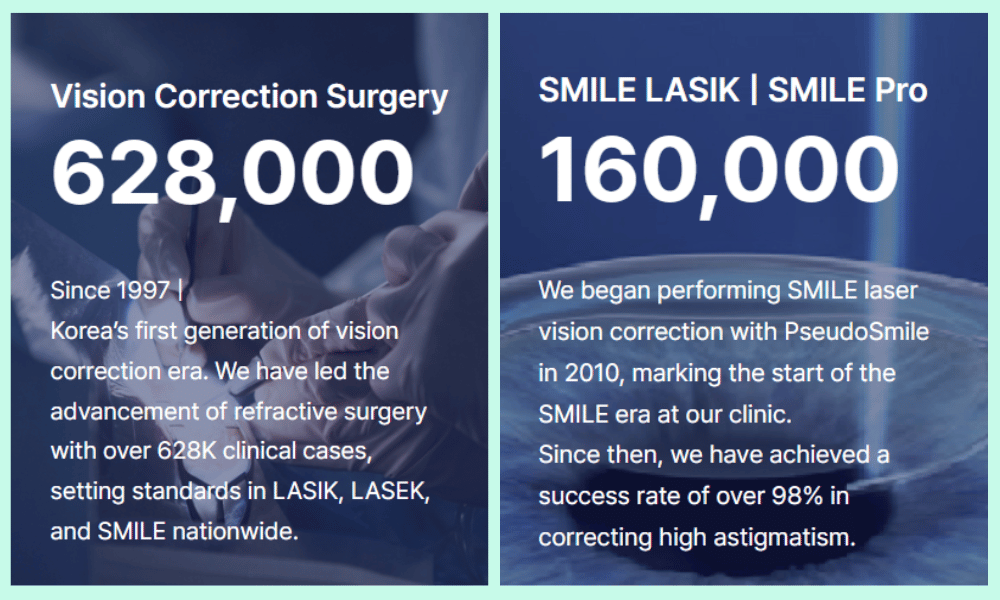
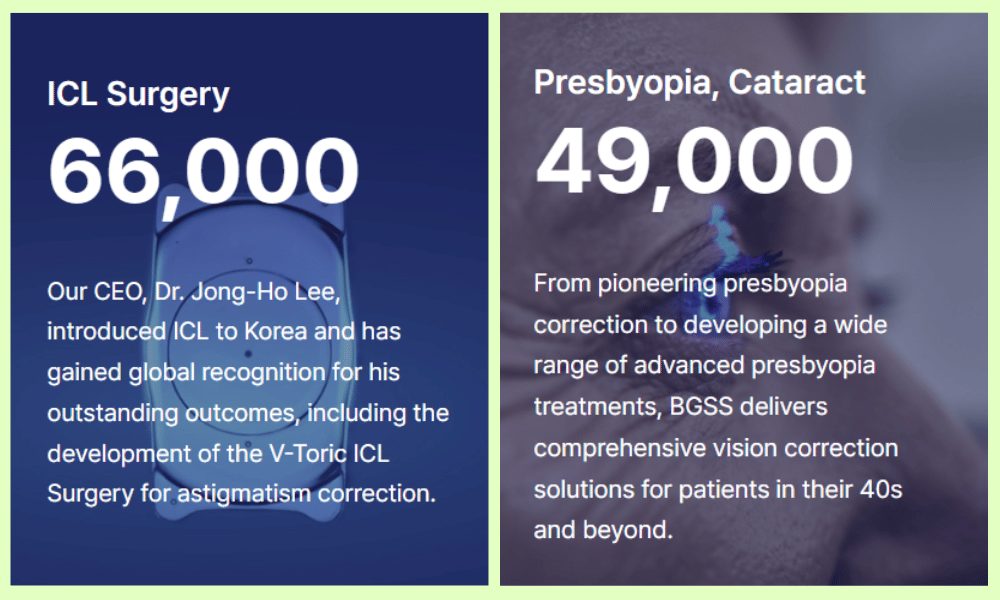
Many ophthalmologists in Gangnam have extensive experience and perform thousands of procedures each year. High surgical volume contributes to refined technique and predictable results.
3. Efficient Scheduling
International patients can often complete:
- Day 1: Consultation and diagnostics
- Day 2: Surgery
- Day 3: First post-op check
This makes short-stay medical travel feasible for busy international visitors.
4. Competitive Pricing
Even with airfare and accommodation, many visitors find the total cost in Korea competitive compared to private clinics in Western countries.
5. International Support
Many clinics offer English-speaking coordinators and international patient services to make communication, planning, and follow-up convenient.
Common Procedures International Patients Travel for
SMILE / SMILE Pro
A minimally invasive laser refractive surgery with fast recovery.
LASIK
Widely performed corneal laser surgery with rapid visual improvement.
LASEK
Surface laser treatment suitable for thin corneas.
ICL (Implantable Collamer Lens)
Implant surgery ideal for high myopia or thin corneas.
Cataract Surgery
With premium IOL options for after-surgery vision quality.
How to Choose the Right Eye Clinic
1. Surgeon Experience and Case Volume
Ask how many procedures (especially the specific one you’re considering) the surgeon has performed.
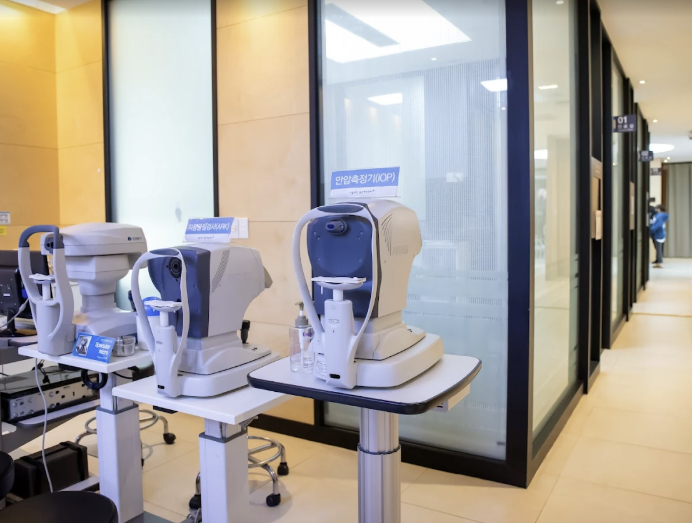
2. Diagnostic Thoroughness
Look for clinics that use:
- Corneal topography and tomography
- Wavefront analysis
- Tear film evaluation
- Pupil dynamics testing
Comprehensive diagnostics improve safety and outcomes.
3. Technology Level
Find out whether the clinic uses the latest laser platforms, especially for SMILE Pro or femtosecond-assisted procedures.
4. Inclusion of Aftercare
Confirm:
- Number of follow-up visits included
- Remote follow-up options
- Medication costs
- Emergency contact support
5. Language Support
English-speaking coordinators help with communication and scheduling, especially if you are traveling alone.
Typical Cost Expectations
Procedures vary widely in price, but rough ranges you can expect:
SMILE / SMILE Pro: mid-to-high range
LASIK: mid range
LASEK: often more affordable
ICL: premium range
Cataract Surgery with Premium IOLs: highest range
Total cost can vary based on:
- Technology level
- Surgeon seniority
- Inclusions (follow-ups, medications)
- Exchange rates
Always request detailed quotes before booking.
Travel and Scheduling Tips
Plan 3–5 Days
- Day 1: Consultation and pre-op testing
- Day 2: Surgery
- Day 3–4: Early follow-ups and rest
- Day 5: Final check before departure
Short-stay scheduling is one of the reasons Gangnam is popular with international medical tourists.
Book Accommodation Near the Clinic
Staying near your clinic can reduce stress and travel time between checks.
Avoid Heavy Activities Post-Op
Even if vision improves quickly, follow your surgeon’s aftercare advice before returning to strenuous activity.
What to Bring to Your Consultation
- Latest eye exam or prescription report
- Any previous medical or surgical eye records
- List of medications you’re taking
- Questions you want to ask (see below)
This helps your surgeon assess you accurately and efficiently.
Questions to Ask During Consultation
- Am I a good candidate for this procedure?
- What technology will be used?
- How many similar surgeries have you performed?
- What's included in the quoted price?
- What is the expected recovery timeline?
- What post-operative care is provided?
- When can I travel home safely?
Clear answers will help you make an informed decision.
Preparing for Surgery
Before your procedure:
- Avoid contact lenses for a period as instructed
- Do not wear eye makeup on surgery day
- Arrange transportation after surgery
- Wear comfortable clothes
These steps simplify the admission process and improve comfort.
Aftercare and Return Home
Most clinics provide:
- Post-operative medication and instructions
- Scheduled follow-ups before departure
- Recommendations for long-term eye care
If you return home before your full healing, many clinics offer remote follow-up support.
Final Tips for International Patients
Choose personalized care over price alone.
Quality diagnostics and surgeon experience matter most for safety and outcome.
Confirm all inclusions upfront.
Packages can vary — make sure follow-ups and medications are clearly outlined.
Set realistic recovery expectations.
Different procedures have different timelines — understanding these helps you schedule your trip wisely.
Final Thought
Gangnam offers world-class ophthalmology services supported by modern technology, experienced specialists, and efficient care tailored to international medical tourists. With proper planning and realistic expectations, you can complete vision correction or cataract treatment with confidence, clarity, and convenience.