Vision Correction Surgery in Korea SMILE LASIK LASEK or ICL
Vision Correction Surgery in Korea SMILE LASIK LASEK or ICL
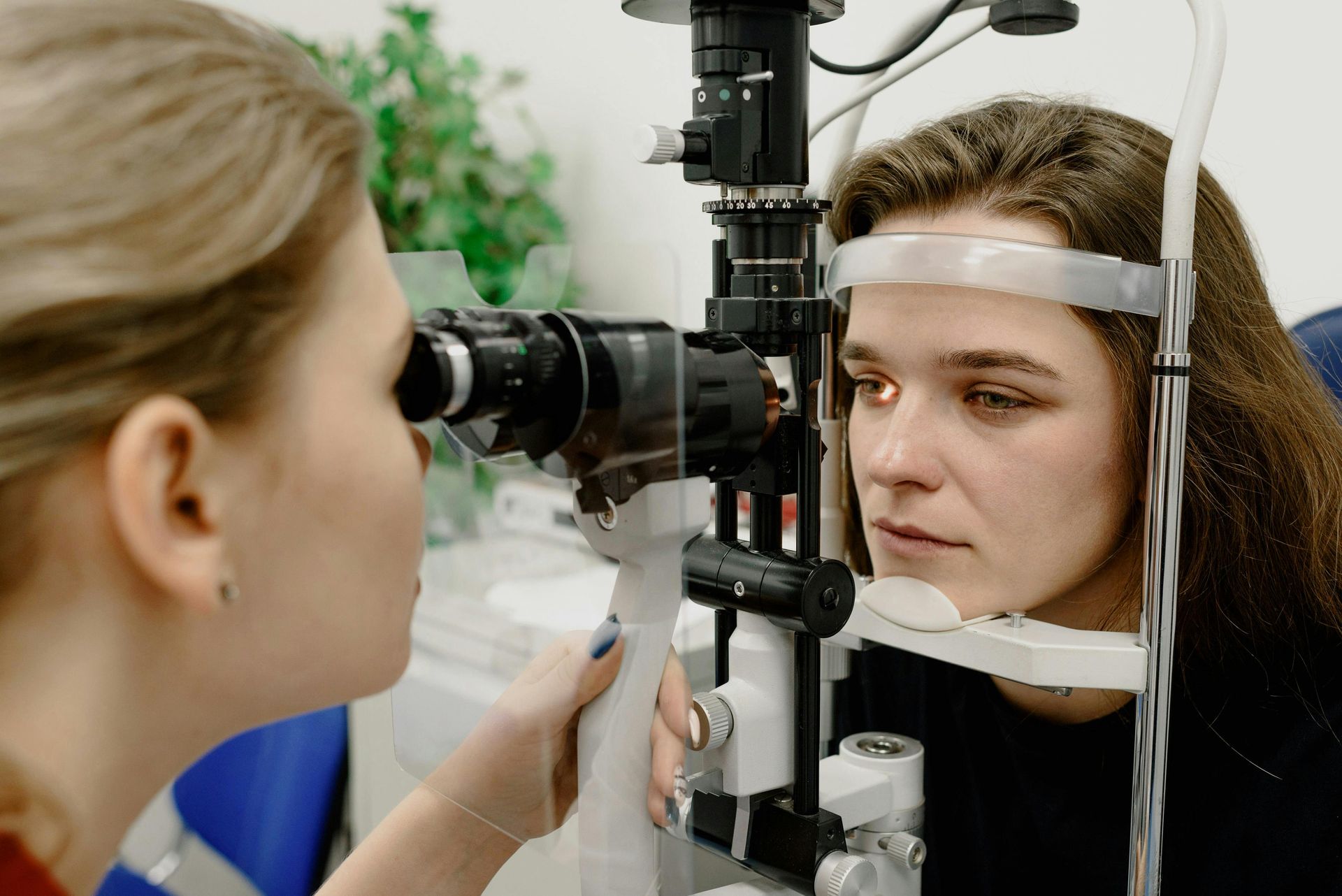
Korea has become a leading destination for vision correction surgery, especially in medical districts like Gangnam, Seoul. Whether you want freedom from glasses or contact lenses, there are four major options you’ll hear about: SMILE, LASIK, LASEK, and ICL. Each has its strengths, ideal candidates, recovery profile, and cost considerations.
Below is a clear, copy-and-paste ready guide to help you understand your options and decide what’s best for your eyes.
Quick Overview: What Are the Options?
SMILE (Small Incision Lenticule Extraction)
A minimally invasive flap-free laser surgery that reshapes the cornea.
LASIK (Laser-Assisted In Situ Keratomileusis)
A laser procedure that creates a thin corneal flap and reshapes the underlying tissue.
LASEK (Laser-Assisted Sub-Epithelial Keratectomy)
A surface laser surgery where the outer corneal layer is lifted and the cornea reshaped.
ICL (Implantable Collamer Lens)
An intraocular surgery where a lens is placed inside the eye without removing corneal tissue.
Who Is a Good Candidate?
SMILE
- Myopia and astigmatism
- Normal corneal thickness
- Wants minimal dryness risk
- Values fast visual recovery
LASIK
- Mild to moderate refractive error
- Adequate corneal thickness
- Wants quick recovery and minimal discomfort
- Works well for low-medium astigmatism
LASEK
- Thin corneas
- Wants flap-free option
- No major corneal structural issues
- Can tolerate slower recovery
ICL
- High myopia or high astigmatism
- Thin corneas not suitable for laser
- Dry eye concerns
- Wants a reversible option
How They Work
SMILE
- Uses a femtosecond laser to create a small lens shape inside the cornea
- A tiny incision allows removal of that lens to reshape the cornea
- No flap
LASIK
- A laser creates a thin flap
- Corneal tissue is reshaped with excimer laser
- Flap is replaced
LASEK
- The surface layer (epithelium) is gently lifted
- Laser reshapes the corneal surface
- A protective contact lens is worn while the surface heals
ICL
- A thin lens is inserted inside the eye
- No corneal reshaping
- The natural lens stays in place
Recovery Time
SMILE
- Most patients see improvement within 24–48 hours
- Minimal discomfort
- Back to normal life quickly
LASIK
- Rapid recovery
- Vision improves sharply within 1–2 days
LASEK
- Slower initial recovery
- Discomfort first few days
- Functional vision within 1 week, full clarity by several weeks
ICL
- Vision improves within 24–48 hours
- Minimal pain
- Faster visual comfort
Side Effects and Considerations
SMILE
- Lower risk of dry eye than LASIK
- No flap-related complications
- Slight variability in night vision for some patients
LASIK
- Fast and predictable recovery
- Slight risk of flap complications
- Mild dry eye possible
LASEK
- Longer recovery
- Surface discomfort first few days
- Best for certain corneal profiles
ICL
- Best for high prescriptions
- Intraocular procedure (lens inside the eye)
- Rare lens-related risks (cataract or glaucoma monitoring)
Long-Term Results
All four procedures can deliver excellent long-term vision:
SMILE, LASIK, LASEK
- Stable vision correction for many years
- Rare regression, especially with proper candidacy screening
ICL
- Excellent quality of vision
- Reversible — lens can be changed if prescription changes
- Long-term safety when regularly monitored
Cost Considerations (General Range)
(Prices vary by clinic, technology, and included services)
SMILE
Mid-to-high range — advanced femtosecond laser
Usually more than standard LASIK
LASIK
Moderate range
Standard option with predictable results
LASEK
Often the most affordable surface option
ICL
Premium range — includes lens cost
Higher than surface laser procedures
Which Should You Choose?
Choose SMILE if:
- You want minimal dryness
- You qualify by corneal profile
- You want fast recovery
Choose LASIK if:
- You want quick vision improvement
- You have suitable corneal thickness
- You want established, predictable outcomes
Choose LASEK if:
- You have thin corneas
- You want to avoid a flap
- You can tolerate a slower recovery
Choose ICL if:
- You have high myopia
- Surface procedures are not ideal
- You want reversible correction
Why Patients Travel to Korea for Vision Correction
Advanced technology
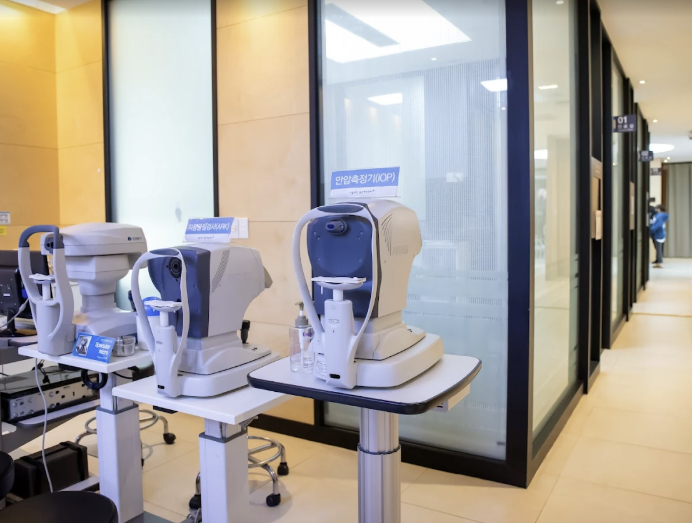
Clubs in Korea offer the newest laser systems and detailed diagnostics.
Experienced surgeons
High surgical volume and refined technique.
Competitive pricing
Total cost often compares favorably with Western clinics, even with travel.
International patient support
Many clinics assist with scheduling, interpretation, and travel coordination.
Efficient scheduling
Most procedures, including consultation and follow-up, can be done within a short visit.
Final Thought
There is no one-size-fits-all answer. The best choice depends on:
- Your prescription
- Corneal health
- Lifestyle needs
- Recovery priorities
- Long-term visual goals
A detailed pre-operative consultation — ideally including corneal mapping and tear film evaluation — is the only reliable way to determine the safest and most effective option.